
Commercial property, retail and logistics
Here the challenge is not usually technical but one of scale and control: many sites, many suppliers and a cost that runs away through the accumulation of small decisions. And in logistics there is also a highly measurable process that is almost never measured properly.
What we find in this sector
Dozens or hundreds of sites with very uneven service levels.
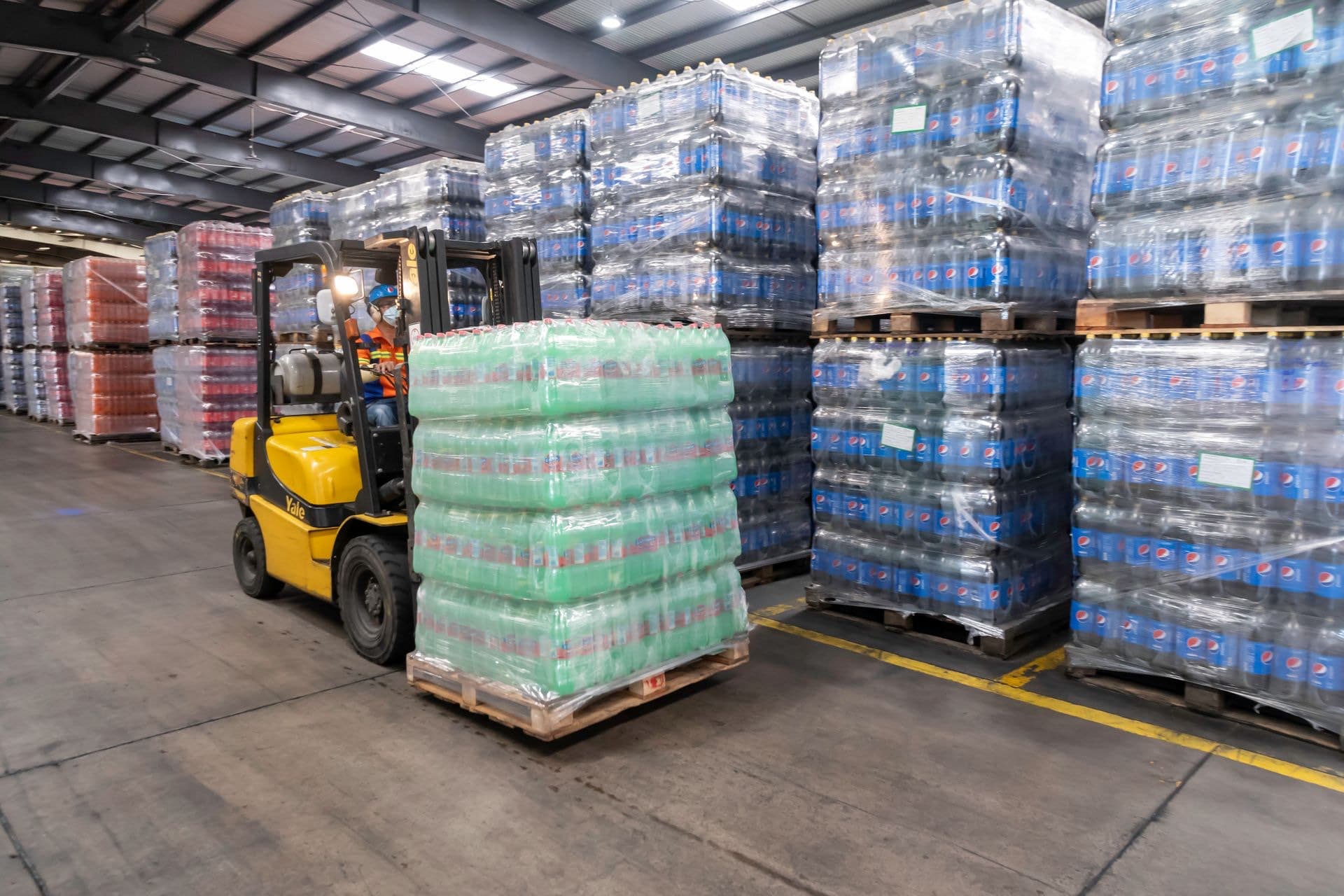
Warehouses with an inherited layout, long travel distances and picking that has grown more complicated without anyone redesigning it.
Inherited maintenance contracts, with unclear scopes that are hard to compare with each other.
HVAC and comfort as the main source of incidents and of energy consumption.
No consolidated data: every site reports in its own way, when it reports at all.
Pressure on cost per square metre and per order, and the need to justify it to the board.
Analysis of warehouse layout and flows: goods-in, put-away, picking and dispatch.
Measurement of productivity per operator, per zone and per order, and reduction of unnecessary movement.
Standardisation of working methods and of the daily management routine across sites.
Sizing of headcount and shifts against the real activity curve.
Inventory levels, rotation and stock accuracy against the physical count.
Standardisation of maintenance plans and of service levels across sites.
Audit and redefinition of maintenance and cleaning contracts.
Supplier control model with indicators and associated penalties.
Maintenance of materials handling equipment, loading docks and warehouse automation.
Investment and installation renewal plans by site.
Reduction of cost per square metre and of energy consumption.
Implementation of multi-site MES/CMMS systems (MES/GMAO) with consolidated reporting.
Integration with the warehouse management system and with the ERP.
A dashboard by site and a comparison between locations, which is what drives improvement.
Digitalisation of the job sheet and of service requests from each site.
Use of energy consumption data by location.